
0481 304 067
pratimanaturopathy@gmail.com

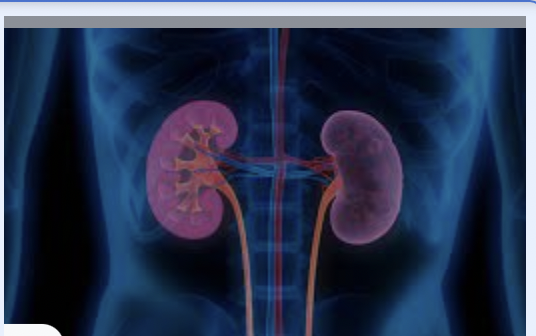
Kidney stones are known for the most excruciating pain. The most common, stones are calcium oxalate (roughly 80%) while 5-10% are uric acid crystal. understanding the type of stone is the key to prevent it from re-forming.
Factors involve in formation of kidney stones
Diet: Certain foods such as high fructose, soft drinks with phosphoric acid, and sweet teas consumption is linked with an increased excretion of calcium, oxalates, and uric acid, which are all associated with increased risk of kidney stones.
Dehydration: This causes low urine volume and less fluid to take hold of calcium and other compounds in the urinary system.
Hyperoxaluria: High oxalates in the urine increases the risk of calcium oxalate kidney stones. This can be due to a genetic metabolic issue or due to decreased levels of oxalate metabolizing bacteria in the gut and/or a yeast overgrowth. Vitamin B6 deficiencies also increase levels of oxalates in the urine.
Hypocitraturia: The low levels of citric acid in the urine leads to kidney stone formation. It is typically caused by distal renal tubular acidosis, hypokalaemia, bowel dysfunction, and a high-protein, low-alkali diet. Genetic factors and medications may also play a role. Most commonly it is found in individuals having small intestinal bacterial overgrowth (SIBO) and a highly acidic diet that is low in alkaline buffering minerals.
High Sodium Intake: A high sodium intake can create mineral imbalances in the body. A moderate-high carbohydrate diet leads to retain sodium and can cause more problems with mineral balance.
High Uric Acid Levels: High uric acid is most seen with high fructose consumption which causes cells to burn up their energy stores and go into a state of shock that leads to massive cellular death. This cellular die-off leads to excessive increases in uric acid.
Detox diet for healthy Kidneys:
Eat an Anti-Inflammatory Nutrition Plan
It is important to eat real foods that are rich in healthy fats, clean protein, fibre, and micronutrients. Reduce the consumption of grains, starches and sugars as these all-increase blood sugar and promote inflammation in the body.
Healthy fats to consume include avocados, olives, olive oil, grass fed butter, pasture raised eggs, and organic animal products. Consume a lot of fruits, vegetables and herbs as these are all rich in antioxidants that reduce inflammation in the body.
Consider a Low-Oxalate Diet:
If you have a history of oxalate stone, you should consider a low oxalate diet, reduce your consumption of nuts, seeds, chocolate, spinach, watercress, sweet potatoes, beets, and raspberries. If you normally consume 10 servings of these a week than reduce it down to 5 servings a week.
Limit Fructose Consumption:
It is important to reduce consumption to fructose. This includes all processed corn syrups and high fructose corn syrups. You should also look to limit intake of honey and high fructose fruit. Some of the better fruit to focus on would be lower fructose and lower oxalate fruit such as lemons, limes, green apples, cherries, blueberries, strawberries, and blackberries.
Use Lemon/Lime and Avoid High Dose Vitamin C Supplementation:
Adding lemon or lime to your water increases citrate content and adds vitamin C and B6 which reduce kidney stone formation.
Consume Magnesium & B Vitamin Rich Foods:
Magnesium and B vitamins help improve the alkali content of the body and reduce free oxalate and uric acid production. If you are on a low oxalate diet, be sure to consume lots of bok choy, broccoli, cabbage, cauliflower, grass-fed butter and cheese and flax seeds which are low oxalate and high in magnesium and B vitamins.
Consume High Quality Salts:
Avoid all forms of processed sodium and consume non-processed sea salt and pink salts like Himalayan Sea salt or Celtic Sea Salt, Redmond’s Real Salt. These salts are very healthy for the body and help to optimize cellular energy production and fluid volume in and out of the cells
Use Kidney Supportive Herbs:
Herbs known to support the kidneys and reduce the risk of kidney stone formation, I recommend drinking nettle tea, parsley tea or bearberry (uva ursi) tea daily.
Improve Your Gut Motility:
Emptying the bowels at least 1-2 times per day and feeling like you have cleared out all the waste in your system every 24 hours. Optimize hydration and consuming fibre to have high quality bowel movements each day.
Optimize Vitamin D to Avoid Kidney Stones:
The low levels of vitamin D more likely to build up calcium in your urine which increases the risk of kidney stone development. Check your vitamin D levels once a year. Improve vitamin D levels by spending time in the sun, eating vitamin D-rich foods, including fatty fish, beef liver, and egg yolk, and taking vitamin D supplements.
For further support with your health goals, just reach out and Pratima Naturopathy is here to support your journey to wellness.
Pratima Naturopathy © 2026 | Sitemap | Privacy Policy